Last updated: 21 June 2026
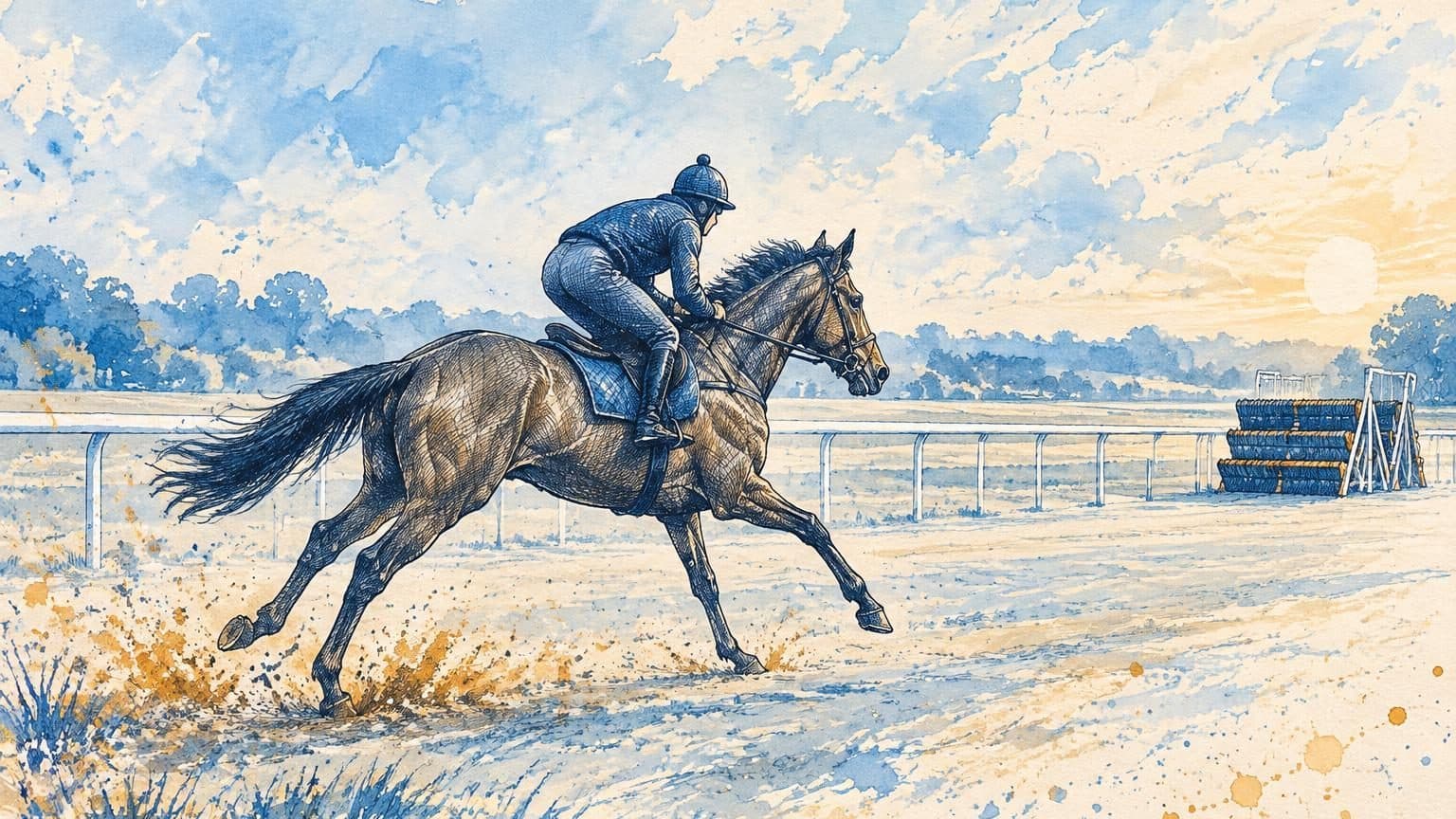
You have seen it happen a hundred times. A horse everyone knows likes to lead is backed in the early prices, and then, in the first furlong, it does exactly what it always does and bowls along in front. Within seconds its in-running price collapses, and while less experienced backers are still getting excited about how well it is travelling, the smart money has already locked in a profit and moved on. The price reduction was, in a sense, there to be taken before the race even started.
That is the whole idea behind trading front runners, and it is a perfectly sound one. The catch is that it only works if you have actually found the right horse in the right race. Backing a horse you expect to lead and then laying it back once it hits the front, banking the difference, is a trade, not a tip. The edge comes from finding a likely lone leader the market has not fully priced, in a race with no rival pace, and getting out before the run gives way.
How do you find front runners to trade back-to-lay? Start with pace, not with the horse you fancy. You are looking for a runner with a clear early-speed style in a race where nothing else wants to lead, because a lone leader is the one whose in-running price is most likely to contract sharply. Confirm it against recent running styles, check the rest of the field for a rival, and only take it on when the back price is generous enough to leave room for a profit.
What back-to-lay actually means
Back-to-lay is one of the simplest exchange trades there is. You back a horse at a price before the race, and then you lay the same horse at a shorter price once the market moves in your favour. Because you backed high and laid low, the difference between the two is locked in regardless of whether the horse goes on to win or lose. Spread evenly across the runner, that difference becomes a guaranteed sum either way, what traders call a green book. It is the same logic as buying something at one price and selling it at a higher one; you are just doing it with odds.
With a front runner, the move you are trying to capture happens in running. You back the horse before the off at, say, a price in the region of 5.0, and you set a lay order at a shorter price, perhaps 3.5 or lower, to be matched the moment the horse strides to the front and the in-running market reacts. If the horse leads as expected and the price comes in, your lay gets matched and the trade is done inside the first half of the race. This sits within the broader world of Betfair trading, but front-running is one of its more readable corners, because the trigger, a horse going to the front, is something you can anticipate with pace analysis rather than guess at.
Why a horse rushing to the front shortens its price
The in-running market overreacts to what it can see. A horse on the lead looks like it is winning, even when it is doing nothing more than the thing it always does, and a steady stream of casual money piles in behind it. Crucially, this happens even when the horse is a well-known front runner whose style was obvious from the form book and sometimes spelled out in the previews. Knowing a horse will lead and watching it lead are two different things to most backers, and the second one moves prices far more than the first.
That gap between what was knowable beforehand and how the crowd reacts in the moment is exactly where the trade lives. If the market priced front runners perfectly, a horse’s run-style would already be in its starting price and there would be nothing left to capture. It is not, quite, and so a horse that is a strong probability to lead is often available before the off at a price that its in-running low will comfortably beat. Whether that becomes a profitable trade still comes down to value: the back price has to be bigger than the in-running price you can realistically lay at, with enough room left over to cover the times the plan does not come off.
Race Advisor’s own pace numbers show why that edge is real but rarely a clean value bet on its own. Across more than 1.4 million British runners between 2013 and 2026, the horses with the strongest early-pace scores win around 12.7% of their races, against 10.0% for those with no early pace at all. Yet their A/E, the ratio of actual winners to the number the market’s prices implied, holds between 1.02 and 1.06 to Betfair SP. Anything under about 1.10 to Betfair SP is effectively fair. The early-speed signal is genuine, but the market has mostly already paid for it, which is why you harvest it in running rather than at the off.
How to find likely front runners
The reliable way to find front runners is to start from pace rather than from a name you remember. Every runner has an early-speed tendency, and the question you are really asking is which horse in this race is most likely to be in front after the first furlong. That is a question about how the race is likely to be run, and it is answered far better by a pace map than by memory. A pace map lines the field up by running style and shows you, at a glance, who the natural leaders are and who tends to be held up at the back.
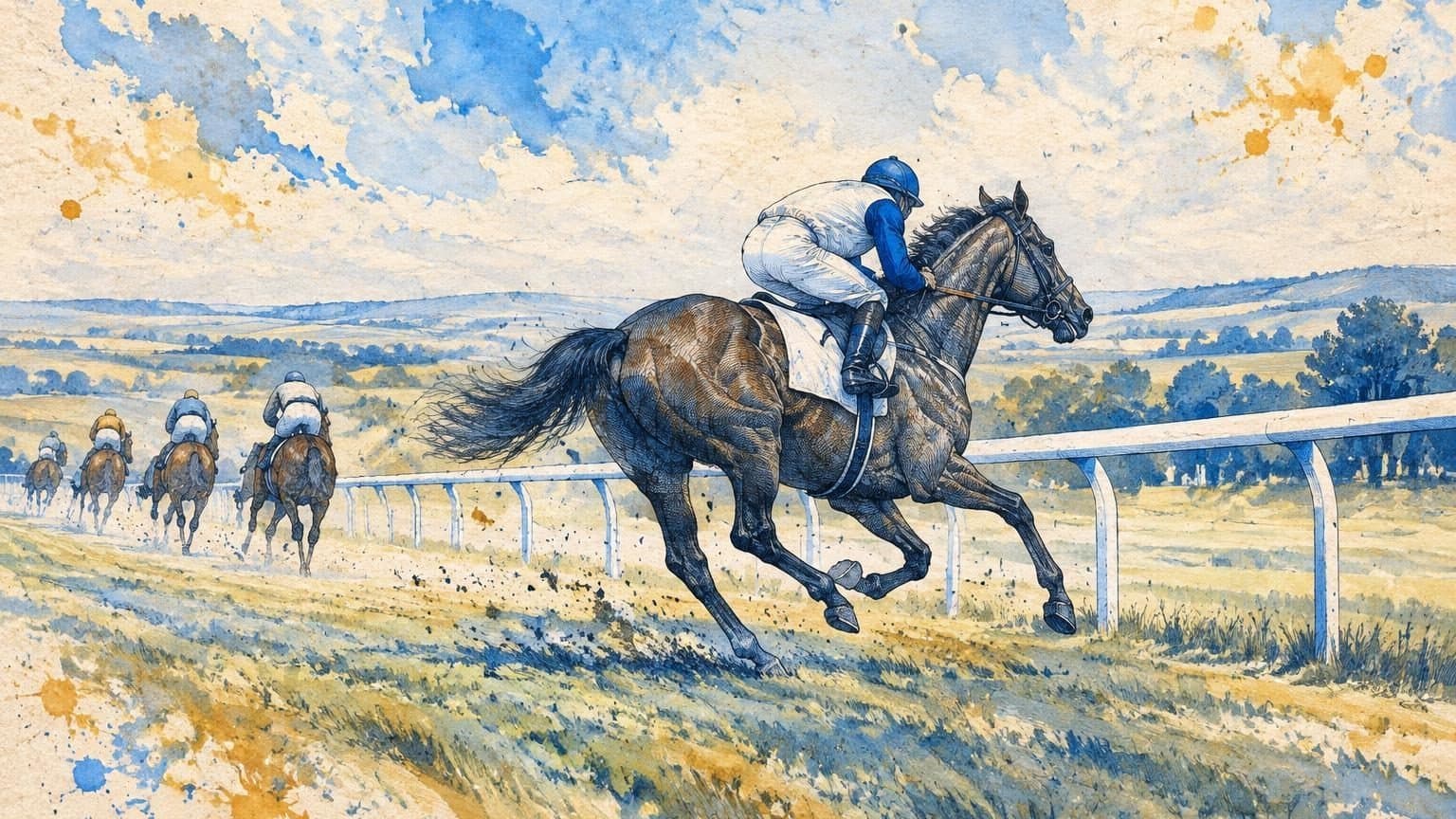
This is where pace ratings earn their place. A runner that scores clearly higher than the rest of the field on early pace, and that has actually led in its recent races rather than just being labelled a front runner once, is the kind of horse worth a closer look. The single best scenario is the lone leader: one runner whose early-pace figures tower over everything else in the race. When there is only one obvious source of early speed, the probability that this horse gets to the front, uncontested, is high, and that is precisely the setup the back-to-lay trade is built on. Free-running tendencies in smaller fields, where there is simply less to challenge for the lead, tend to make the picture even clearer.
The data says the lone leader is worth the wait. Across that same sample of more than 1.4 million runners, horses the pace model flags as a lone fast leader raced up with the pace around 58% of the time and led in the early stages far more often than the field, against just 33% racing prominently among the hold-up types it rates slow. The flag genuinely picks out horses that get to the front, and that early lead is what drags the in-running price in. The same figures are also a useful reality check. A lone fast leader still only wins about 12.9% of its races, at an A/E of 1.03 to Betfair SP, so it is priced close to fair to back to win. You are not backing it to win. You are trading the price it touches on its way to the front.
Whatever the figures suggest, sense-check the horse’s last few races. A pace rating tells you a horse can lead; its recent record tells you whether it actually has been. A runner that has led and made the running in its most recent starts is a far safer trading proposition than one whose style has been a mixture of leading one day and sitting midfield the next. The cleaner and more consistent the early-speed pattern, the more confidence you can have that it will repeat.
Reading the rest of the field
Finding your front runner is only half the job. The other half is checking that nothing else in the race wants the same job. The fastest way to ruin a back-to-lay trade is a second horse that also goes hard for the lead, because a pace duel means your horse either gets taken on and used up early, or fails to get to the front cleanly and never triggers the price collapse you were trading on. One leader is an opportunity. Two leaders is a fight, and fights are unpredictable.
The numbers say that caution is well placed. In Race Advisor’s data, more than half of all races, around 51%, feature two or more genuine early-speed runners fighting for the same ground, and only about one race in twelve throws up a single lone leader with the early pace to itself. The clean setup you are after is the exception, not the rule, which is exactly why passing is part of the method. And when you do run your eye down the field, recent running style is what matters most. Horses with a consistent front-running profile over their last three starts win about 13% of their races, against roughly 10% for confirmed hold-up types. A rival carrying that same profile is the one that turns your trade into a fight.
So before you commit, run your eye down the rest of the field and ask whether any other runner has been leading or racing prominently of late. If one or two have a habit of tracking the leader rather than making it, that is good news; they will sit off your horse and let it stride along in front. If another genuine front runner is in there, the safer decision is usually to pass and wait for a cleaner race. There will always be another one. The discipline of only taking the races where your horse is the clear, unchallenged source of pace is what separates a method from a hunch.
Managing the trade and knowing when to get out
The trade itself rewards patience and preparation rather than quick reactions in the heat of the moment. Set your lay order in advance, at a price you would be happy to be matched at, so that if the horse goes to the front and the market reacts, your exit is taken automatically. Trying to react manually as the prices fly around in running is how nervous traders end up chasing the market down and giving back their edge. Decide the trade before the race, then let it execute. If laying a horse in running still makes you anxious, that is usually a sign the stakes are too big for your comfort, not that the method is wrong.
You also have to respect the way these races can go wrong, because a front runner can flag and collapse just as quickly as it shortened. If your lay does not get matched and the horse starts to come back to the field, the in-running price will balloon, and a trade you meant to close for a small profit can turn into a loss on the back side if you freeze. The honest plan is to know your exit before you start: take the profit when the price contracts to your target, and accept a small, controlled loss if the horse fails to lead or weakens before your lay is matched. Treated that way, with a clear pace edge, a clean race and a pre-set exit, trading front runners is a repeatable discipline rather than a gamble on one horse’s day. Pull up today’s racecards, look for the lone leader the pace map points to, and let our free Bet Tracking keep an honest record of how the method holds up over a run of races.